Q Family Dental
Keeping your child’s smile healthy can feel like a constant challenge. Even with regular brushing and flossing, kids are especially prone to cavities, particularly in the back teeth where food and bacteria easily get trapped. That’s why preventive treatments are so important during the early years. One of the most effective and simple solutions available today is dental sealants. If you’re visiting a trusted dentist in Tigard, you’ve likely heard about this quick treatment that offers long-lasting protection against tooth decay. For families considering dental sealants, understanding how they work can help you make the right decision for your child’s oral health.
Dental sealants are thin, protective coatings applied to the chewing surfaces of the back teeth, also known as molars. These teeth have deep grooves and pits that can be difficult for children to clean thoroughly, even with good brushing habits.
Sealants act as a barrier, preventing food particles and bacteria from settling into these hard-to-reach areas. A trusted dentist in Tigard can apply sealants quickly and painlessly, making it an ideal preventive option for children.
Children are more susceptible to cavities because their brushing techniques are still developing, and their diets often include sugary snacks and drinks. The grooves in molars can easily trap plaque, leading to decay over time.
Choosing dental sealants in Tigard provides an added layer of protection during these critical years. Sealants are especially recommended for:
By sealing off vulnerable areas, this treatment significantly reduces the risk of tooth decay.
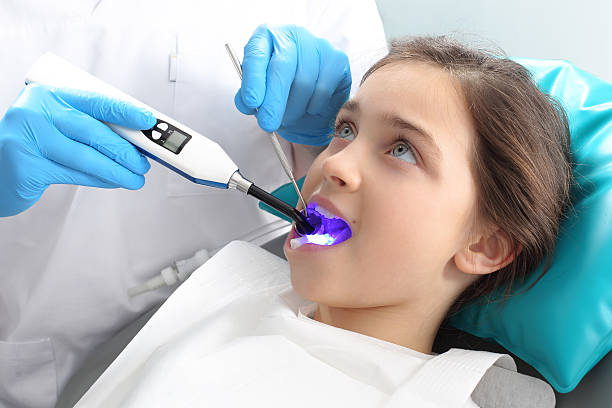
One of the biggest advantages of sealants is how simple and non-invasive the procedure is. The entire process usually takes just a few minutes per tooth.
Here’s what to expect: